Malta Biennale 2026 · Collective Pavilion
Counterpoint
Knights' Armoury, Valletta · 2026
Counterpoint begins with a question about layers — not as metaphor, but as physical fact. The same material — raw linen — becomes two different languages placed opposite each other: on one side, ink poured and left to move; on the other, photographs transferred by hand and left to dissolve into the weave. Neither surface is stable. Neither claims to be complete.
The three practices share a single refusal: none of them resolve into a fixed, closed form. The textile moves with air. The photographic image bleeds into fabric. The voice fills the room and is already gone before it is heard. What connects them is impermanence treated not as loss, but as the condition of meaning. The tear, the hole, the silence between notes — these are not failures. They are where the work breathes.
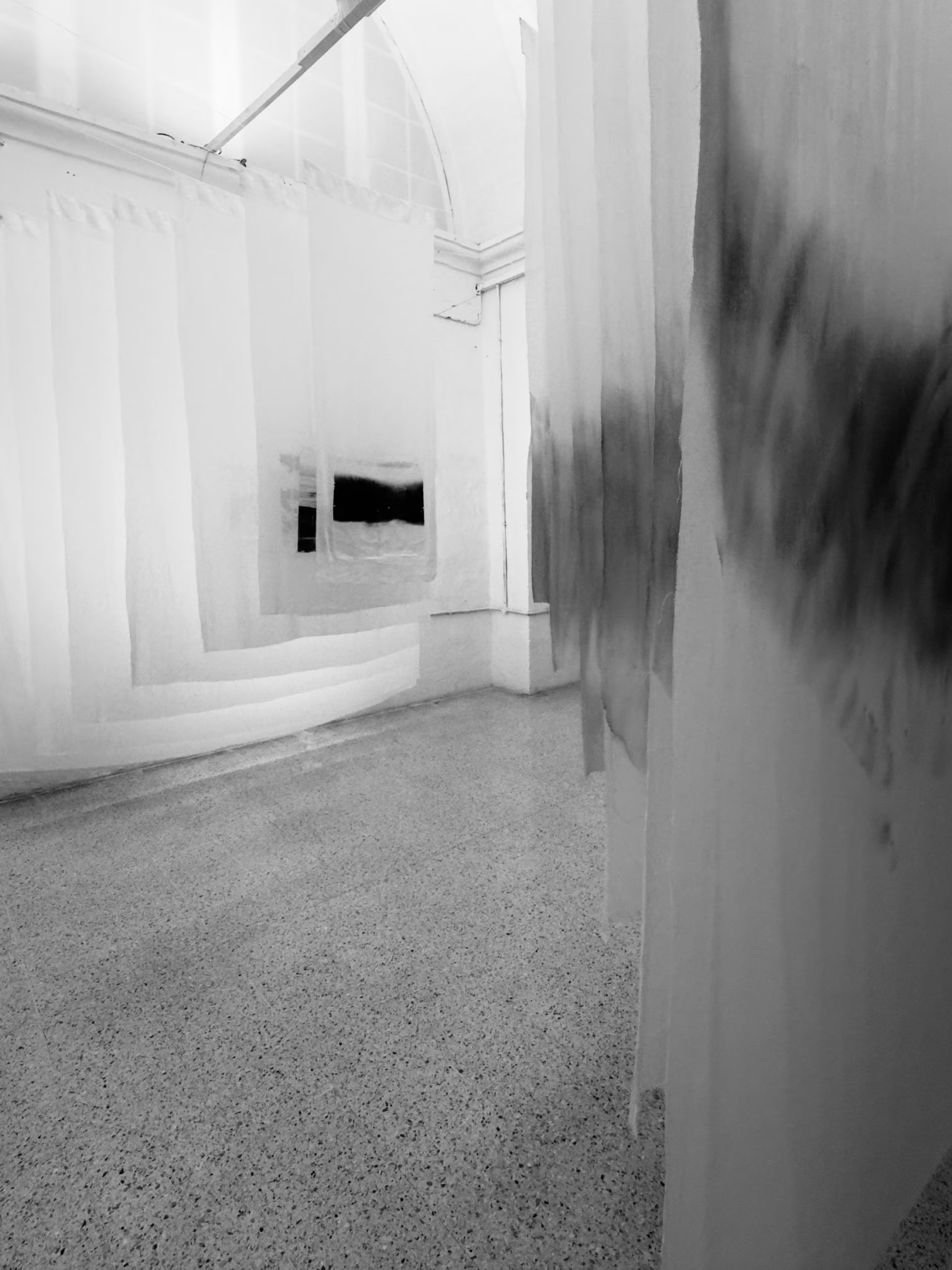
The pavilion is a corridor. Fourteen panels of raw linen hang from the ceiling of the Knights' Armoury in two parallel rows of seven — one on each side — creating a passage that the visitor walks through from end to end. The panels are not a backdrop. They are the space itself.
On one side, Mahmoud's panels: ink poured directly onto the linen, running in broad sweeps that pool at the base of each cloth. On the smallest panel, at the threshold, a single symbol in gold leaf. On the other side, the same linen, the same dimensions — but here the surface carries photographs transferred by hand at the centre of each cloth, 50 × 50 centimetres, facing the ink panels across the corridor. Seven pairs in dialogue across the air between them.
The panels graduate in size along the passage — from 70 × 180 centimetres at the entrance to 300 × 300 at the far end — so the space expands as you move through it. Above, Iris Eysermans's plainchant fills the Armoury: a voice that travels through stone, that belongs to neither wall, that holds the two sides apart and together simultaneously.
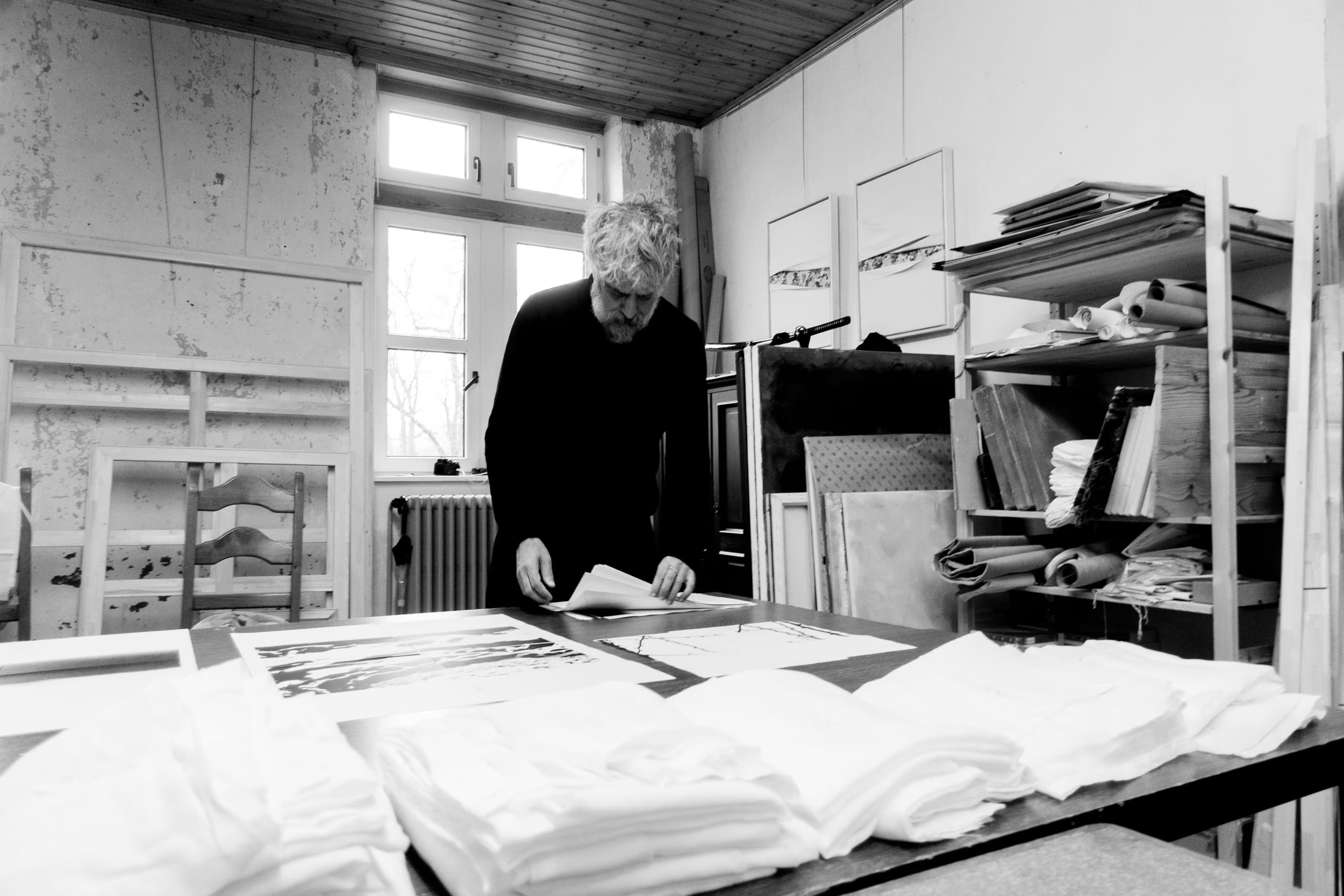
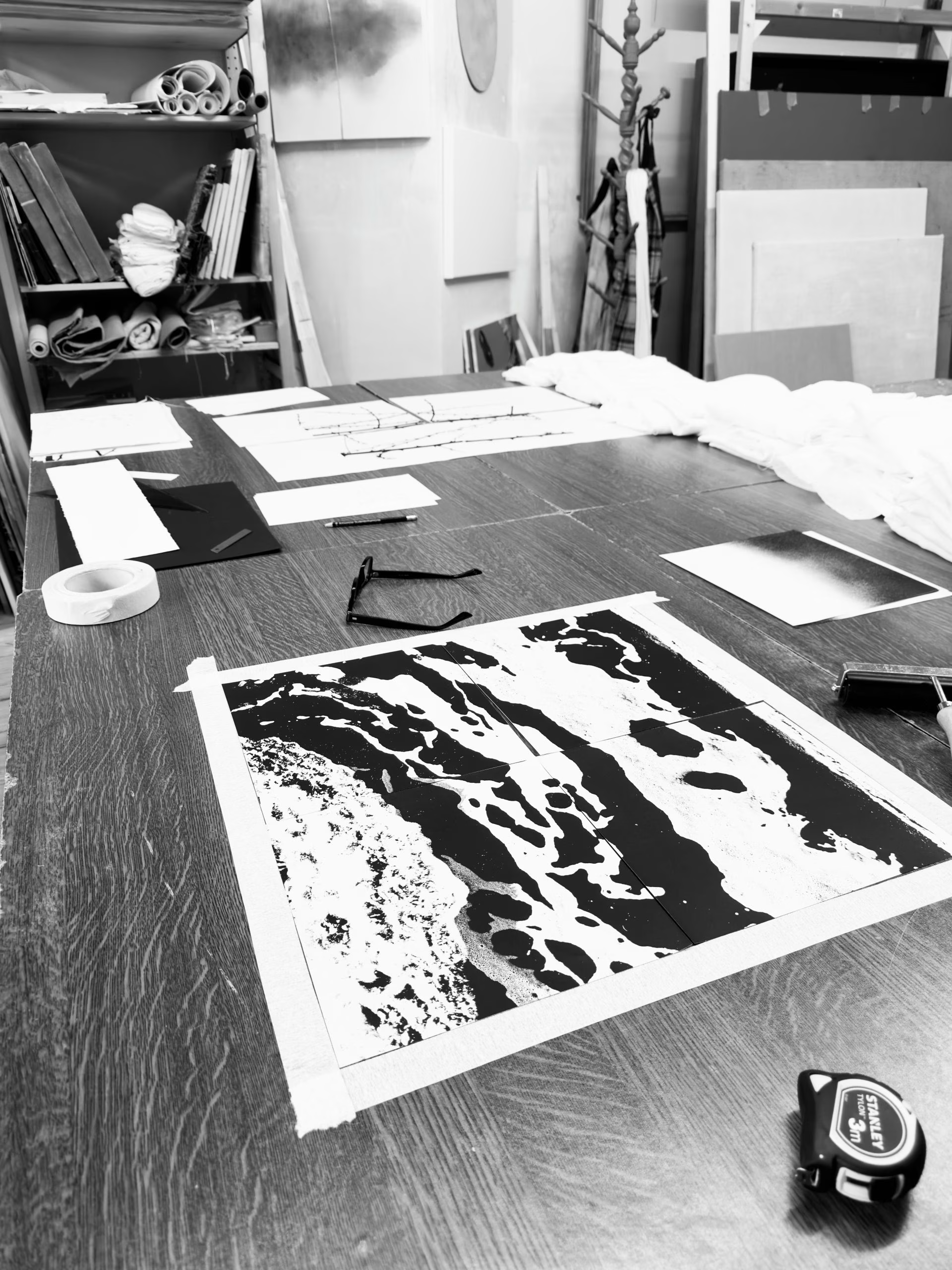
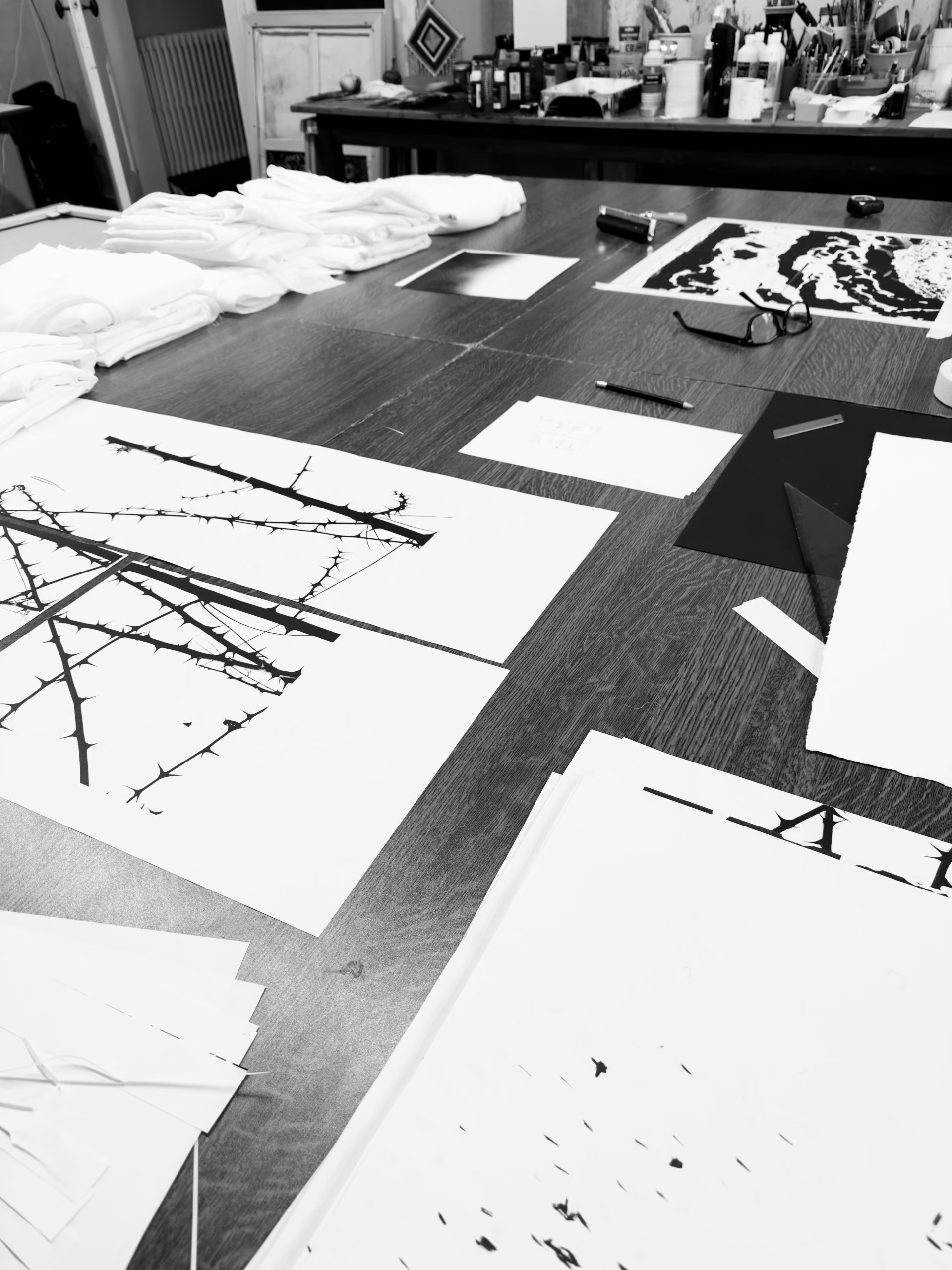
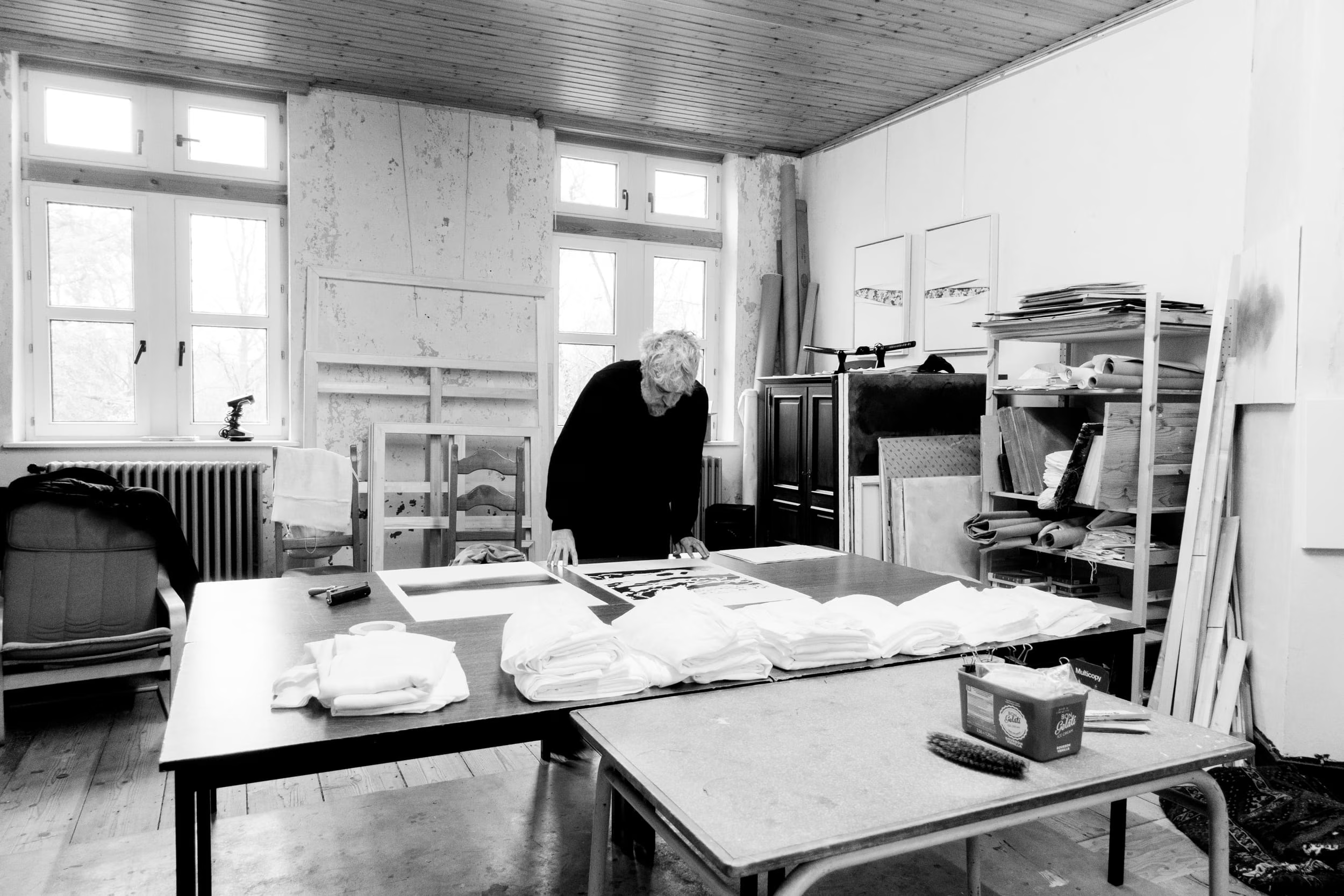
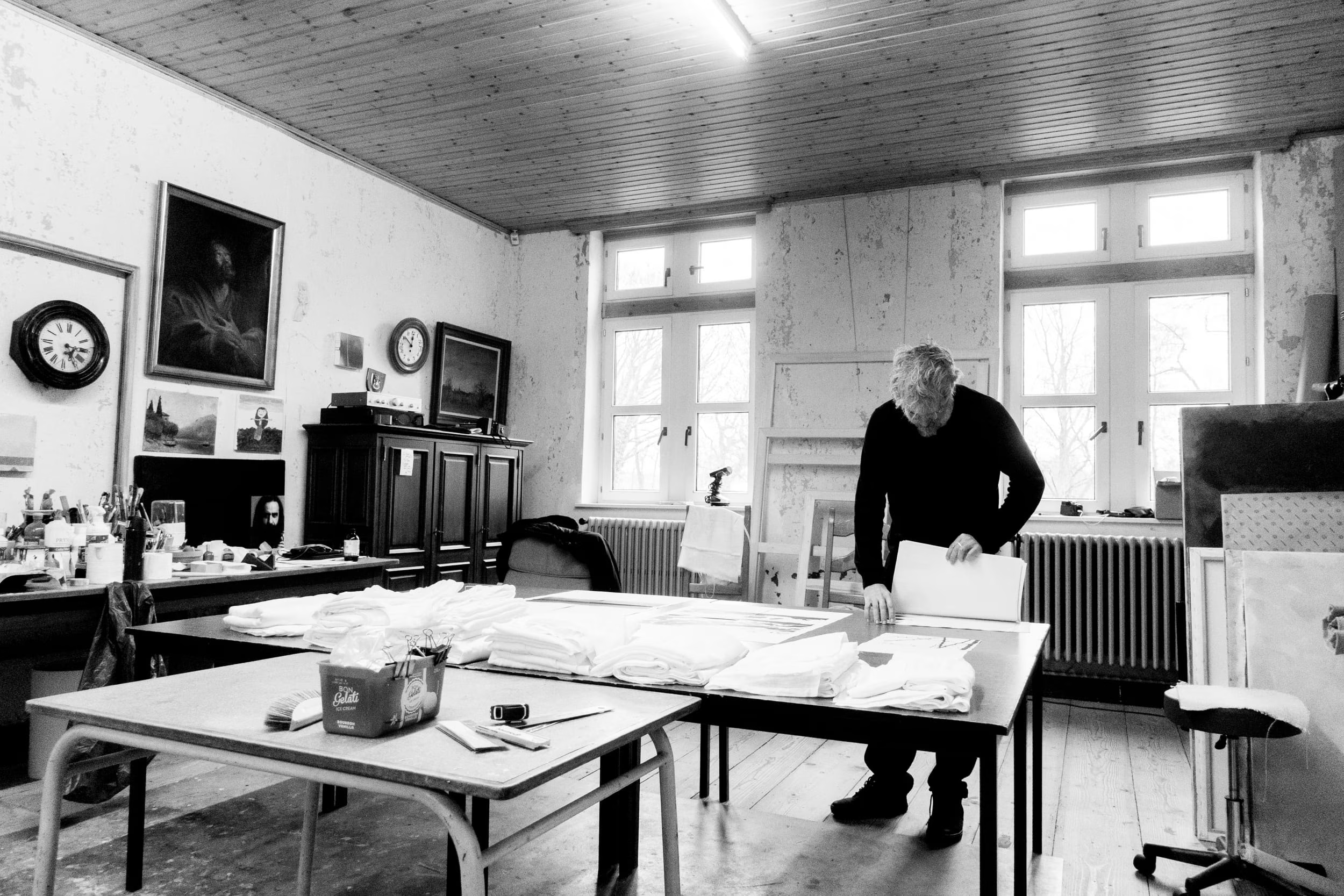
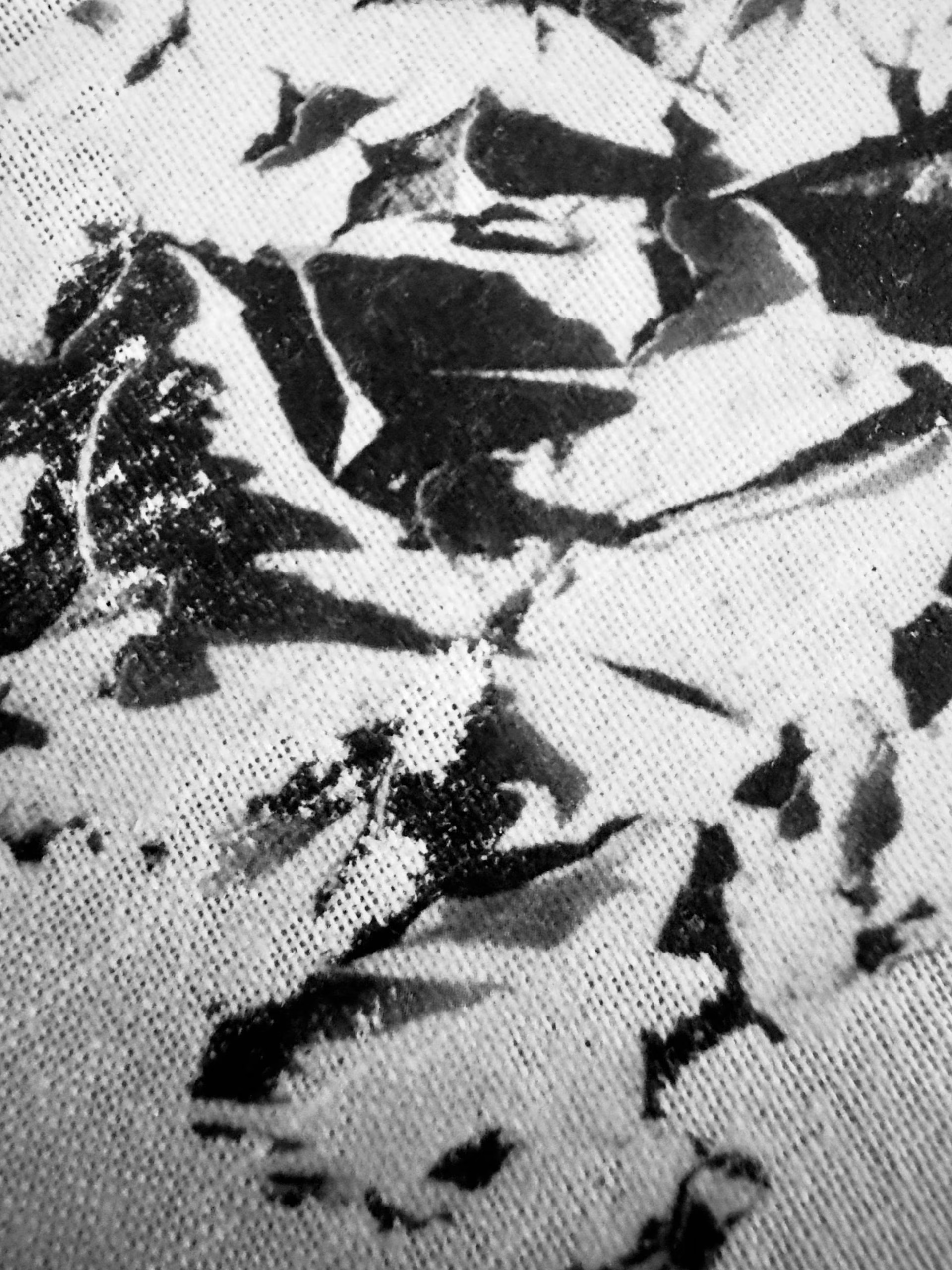
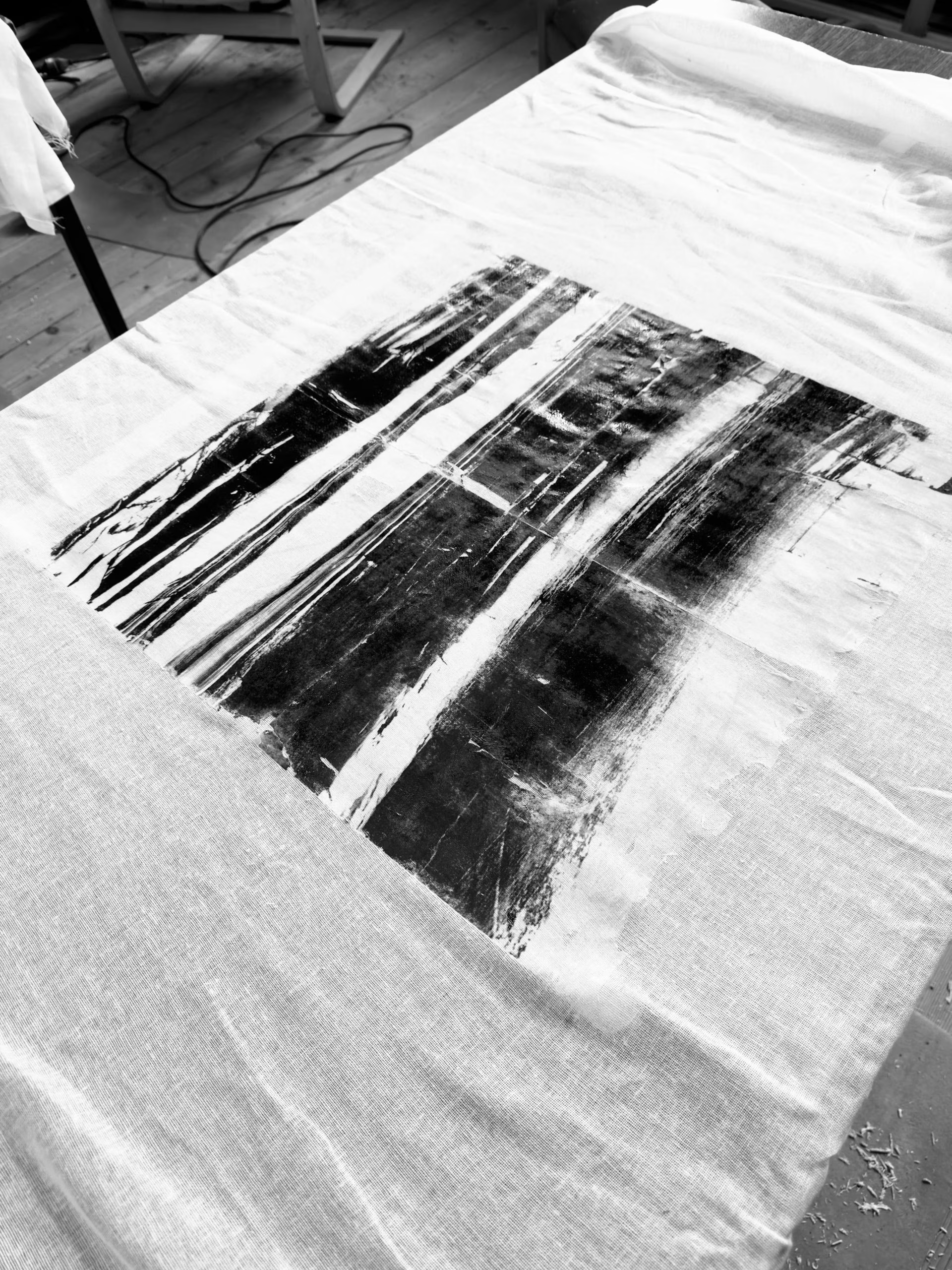
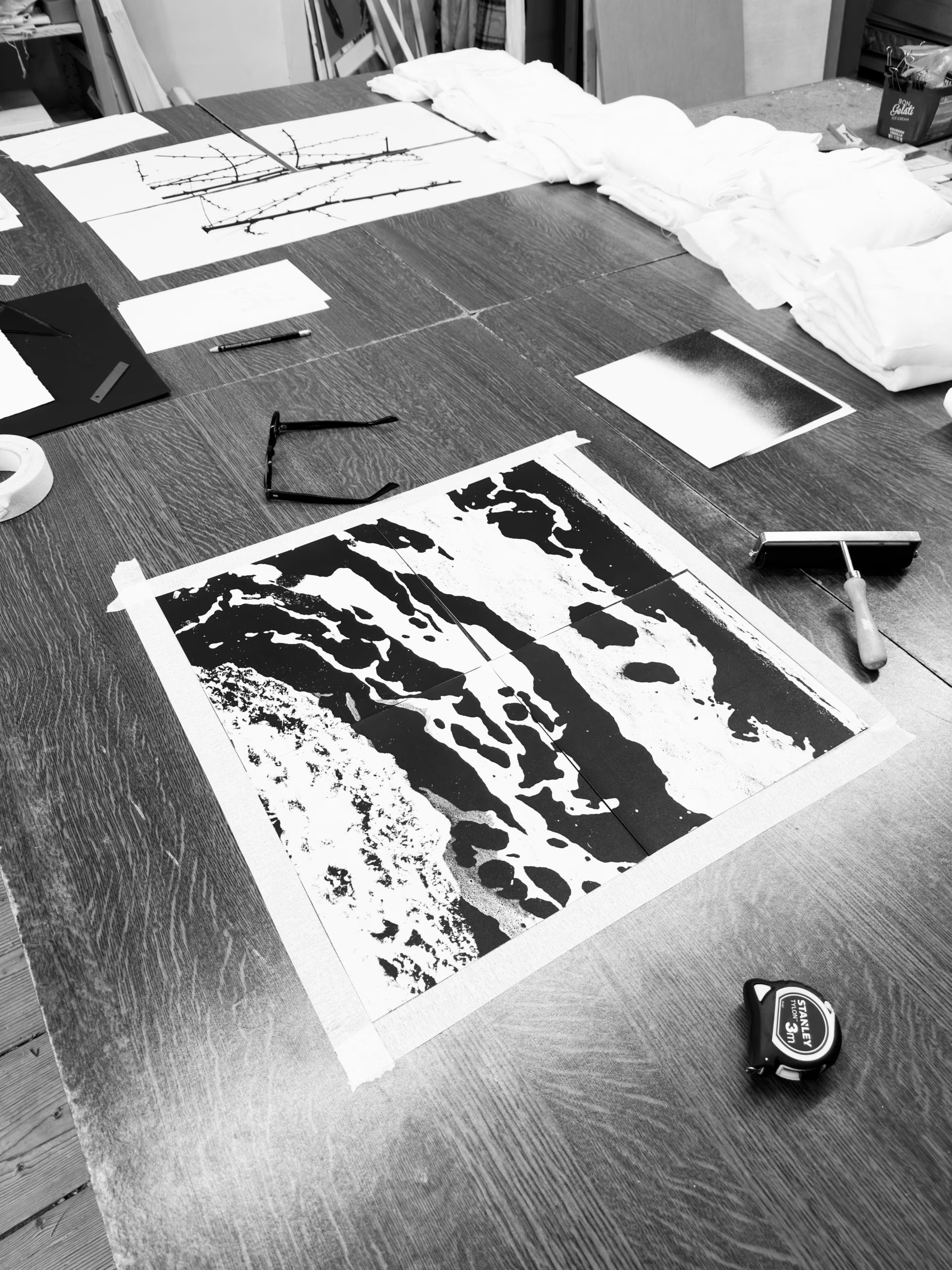
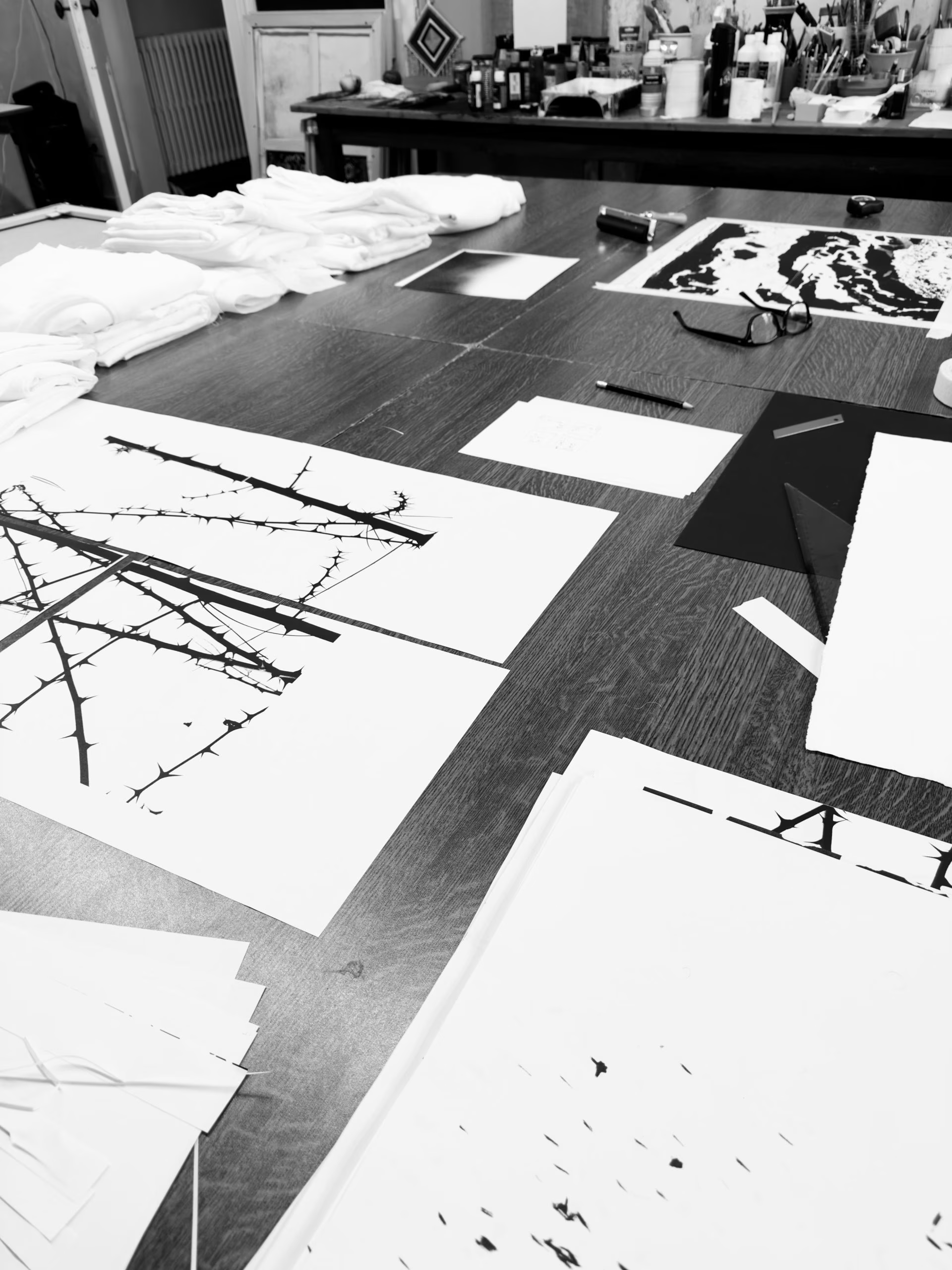
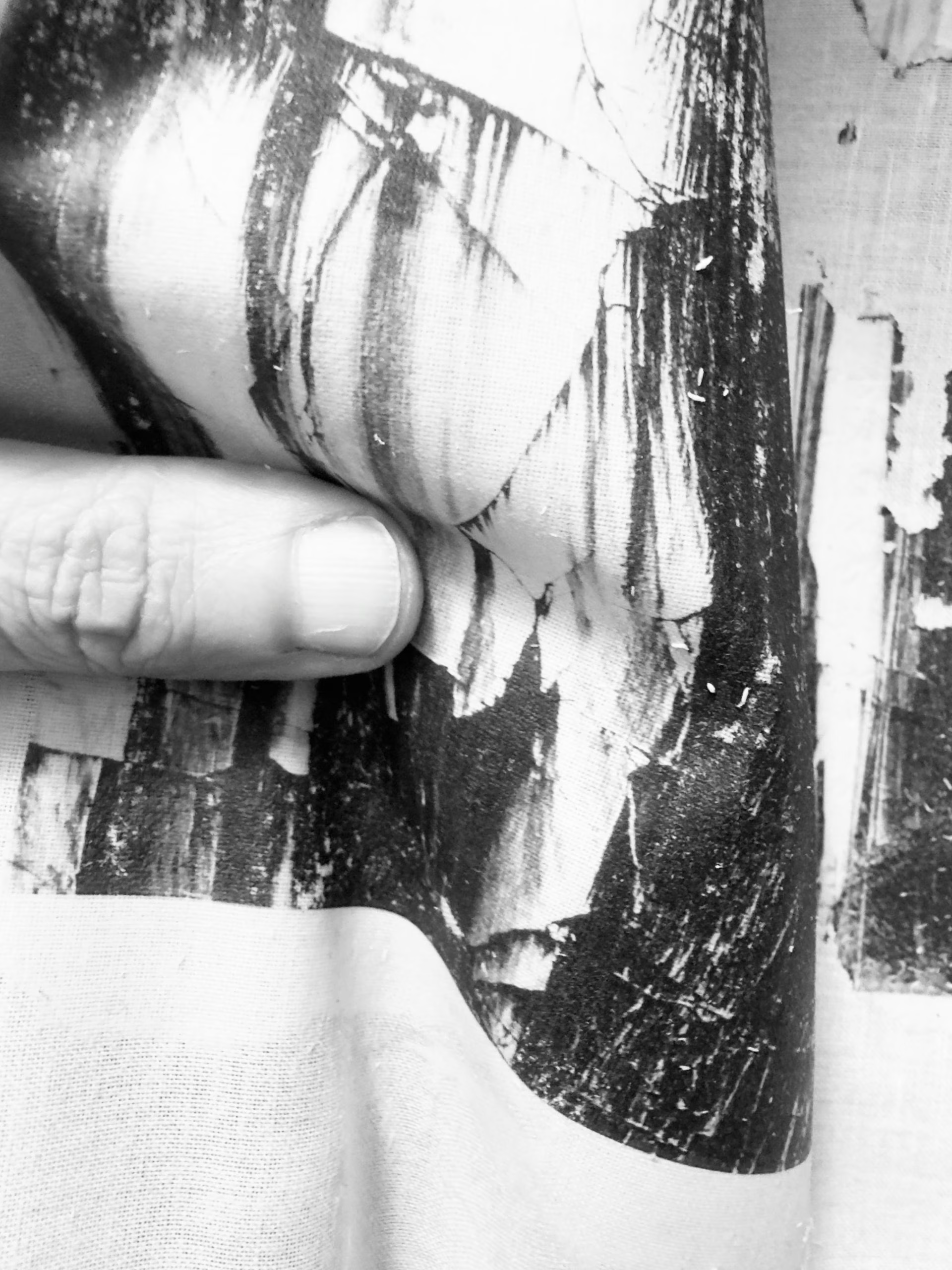
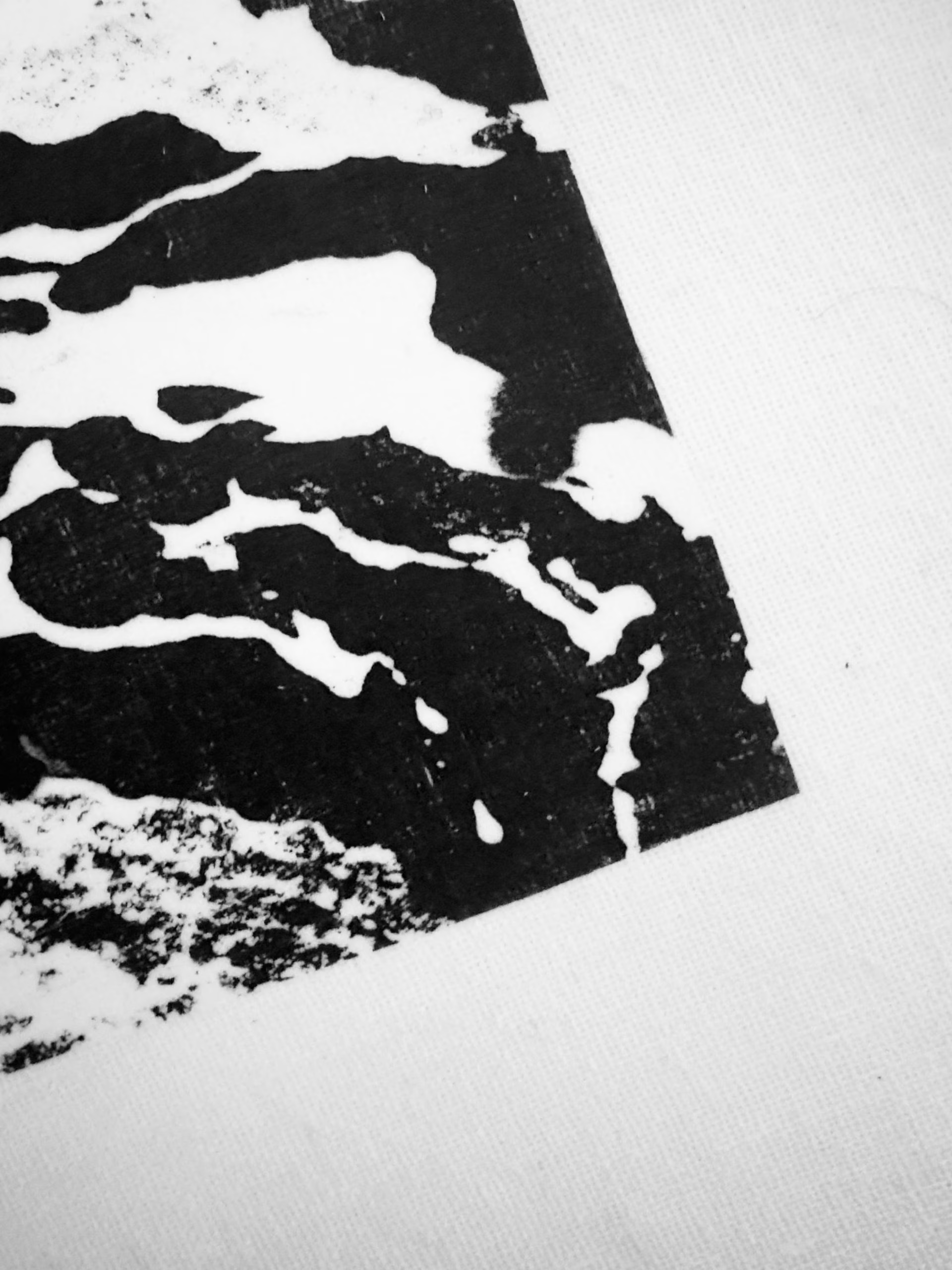
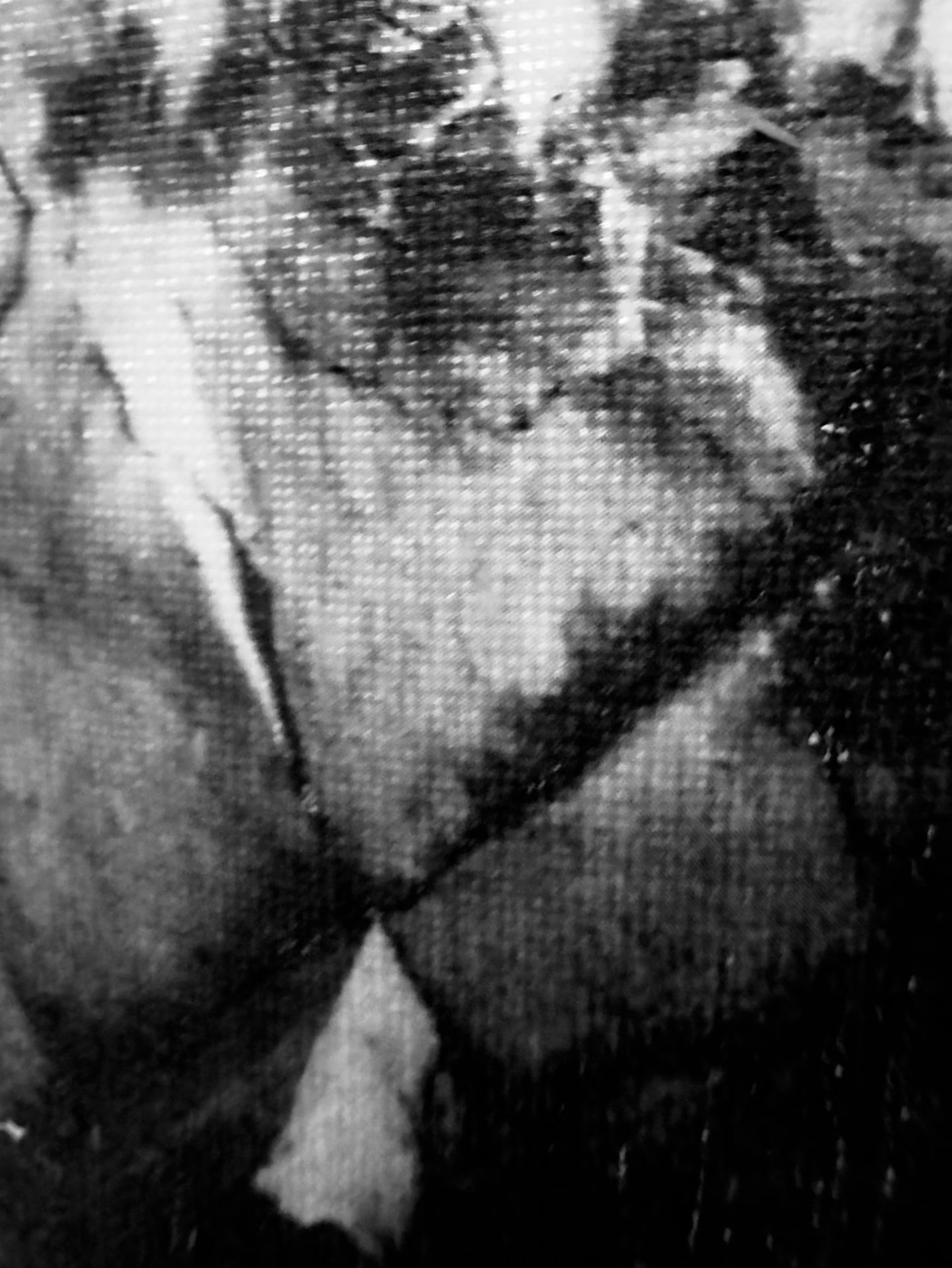
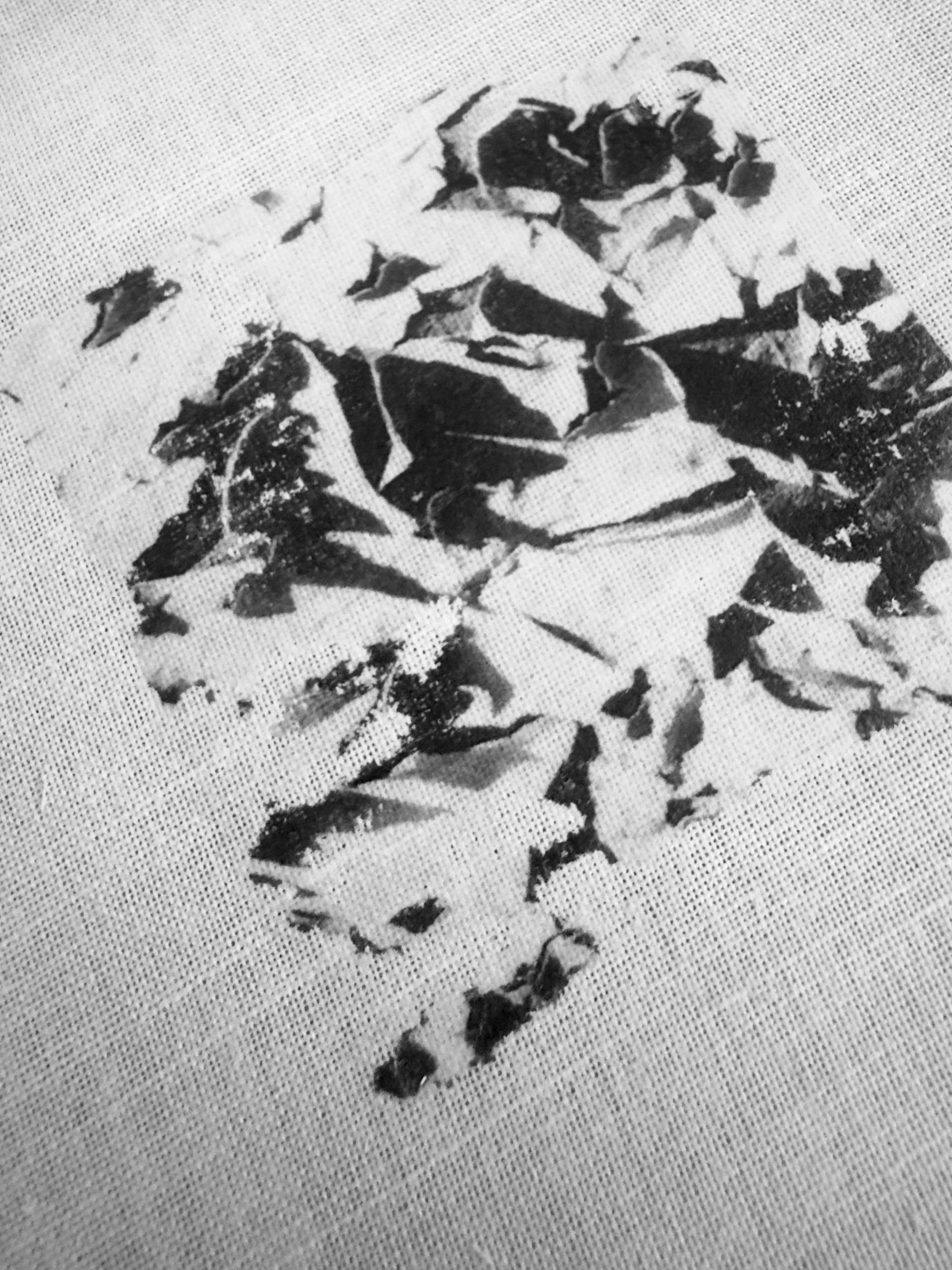
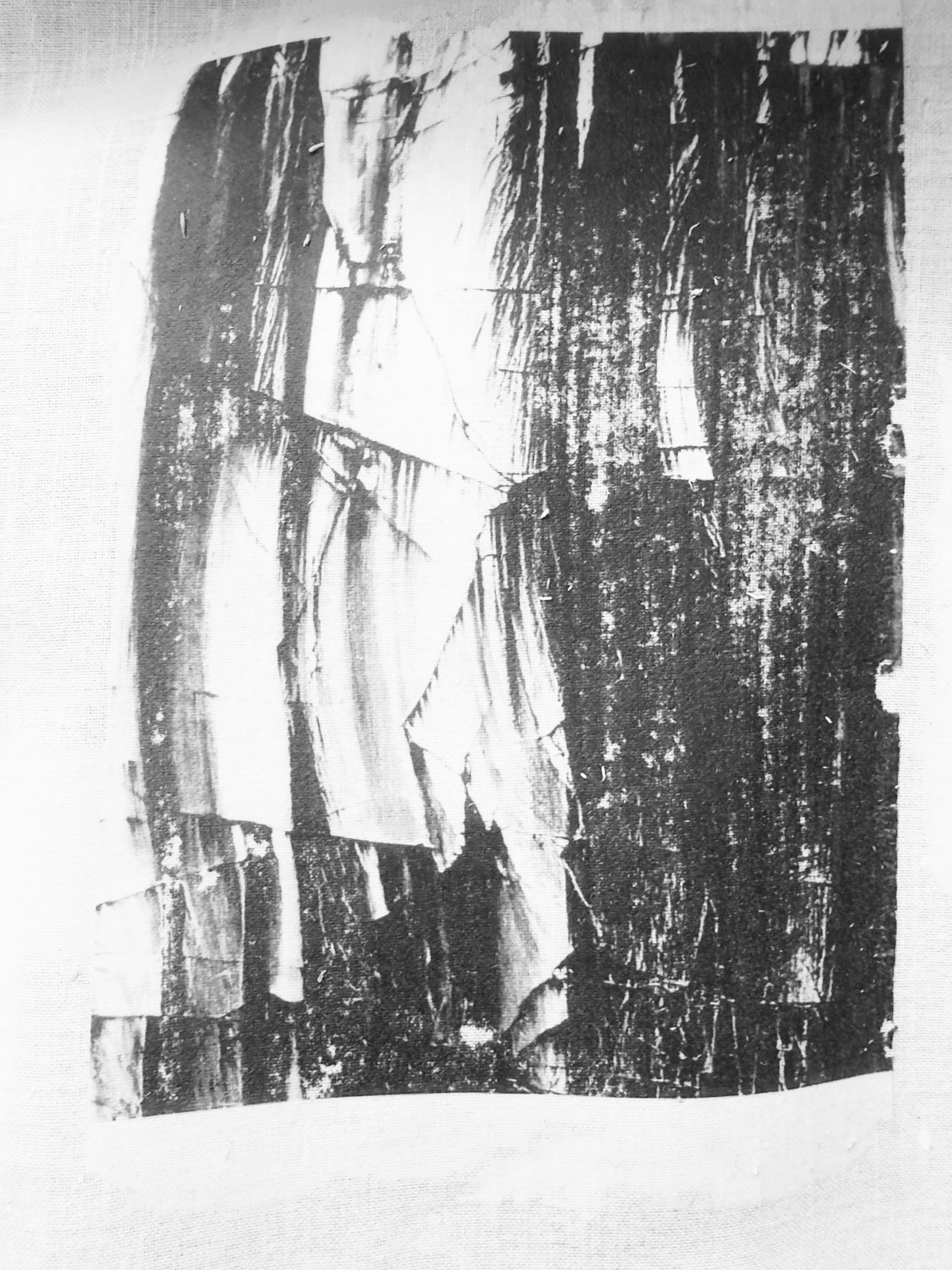
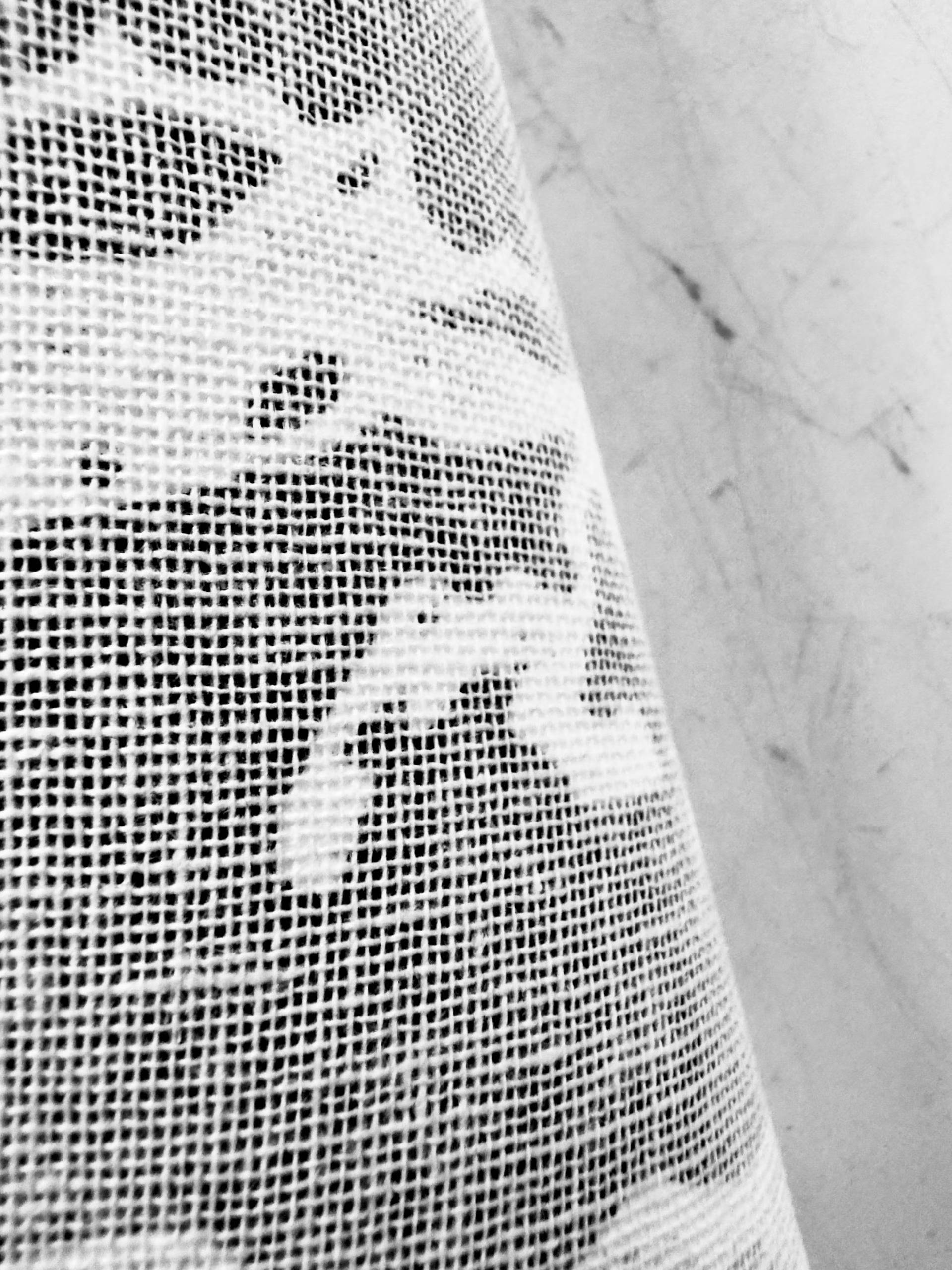
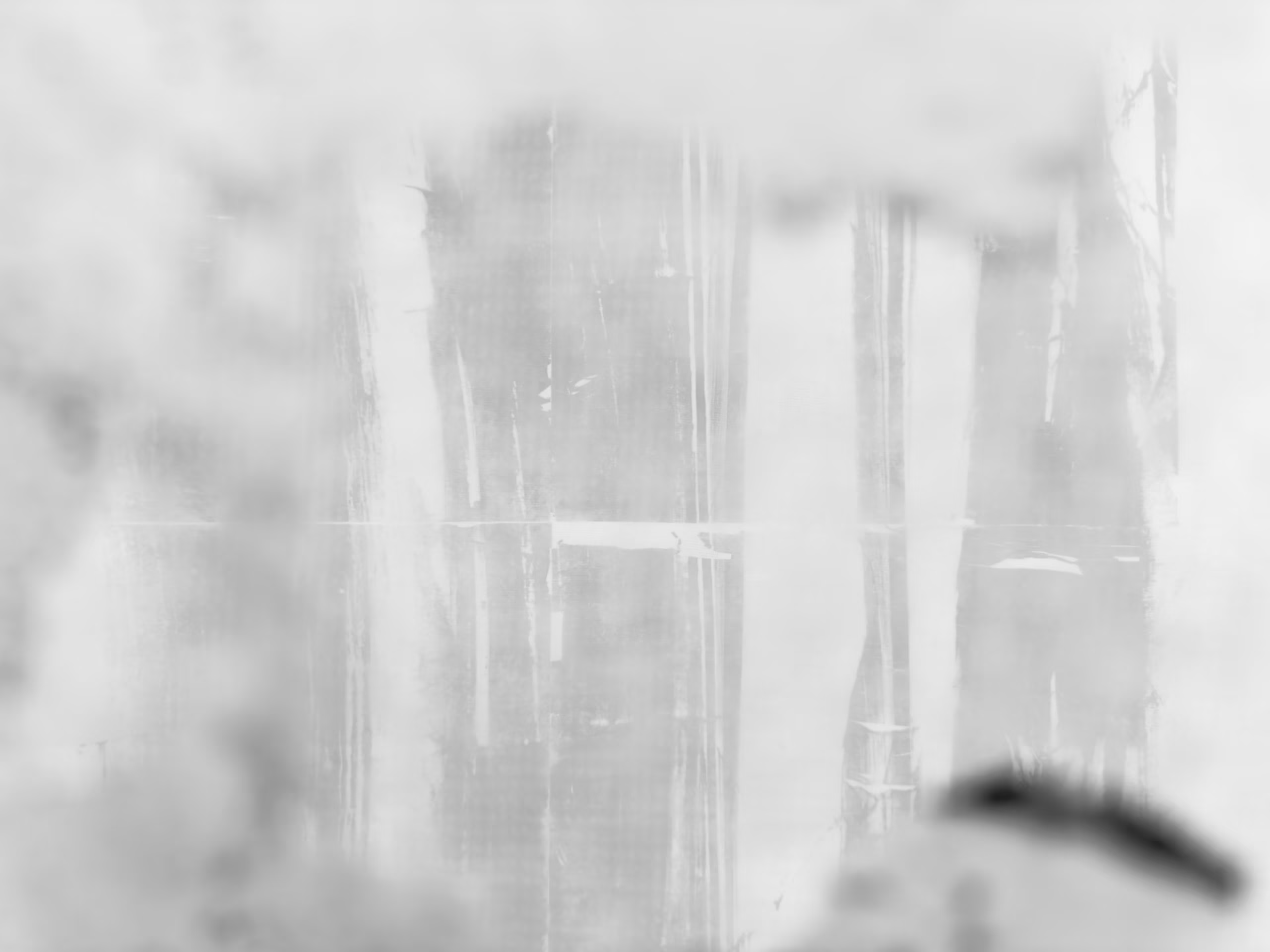
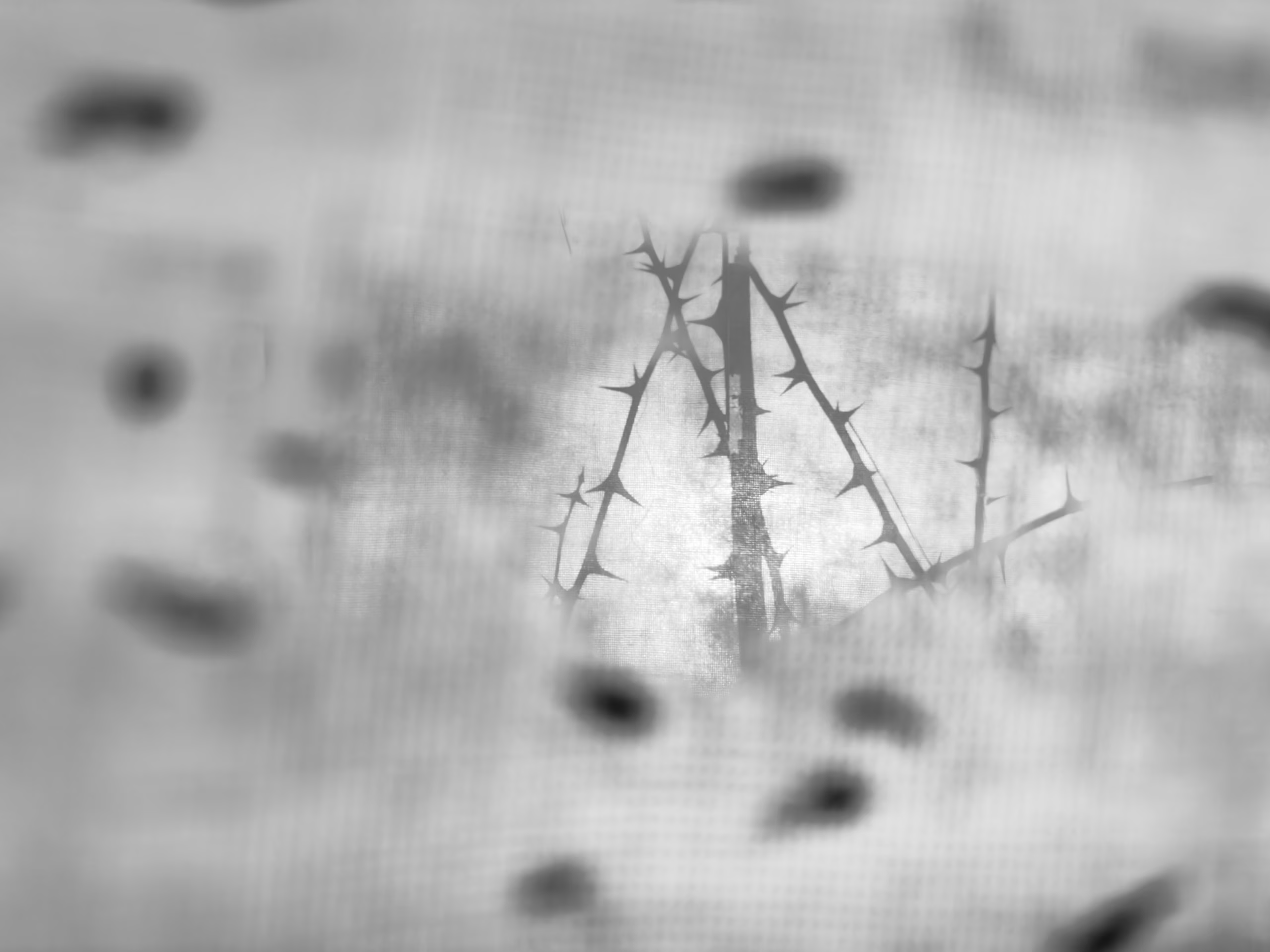
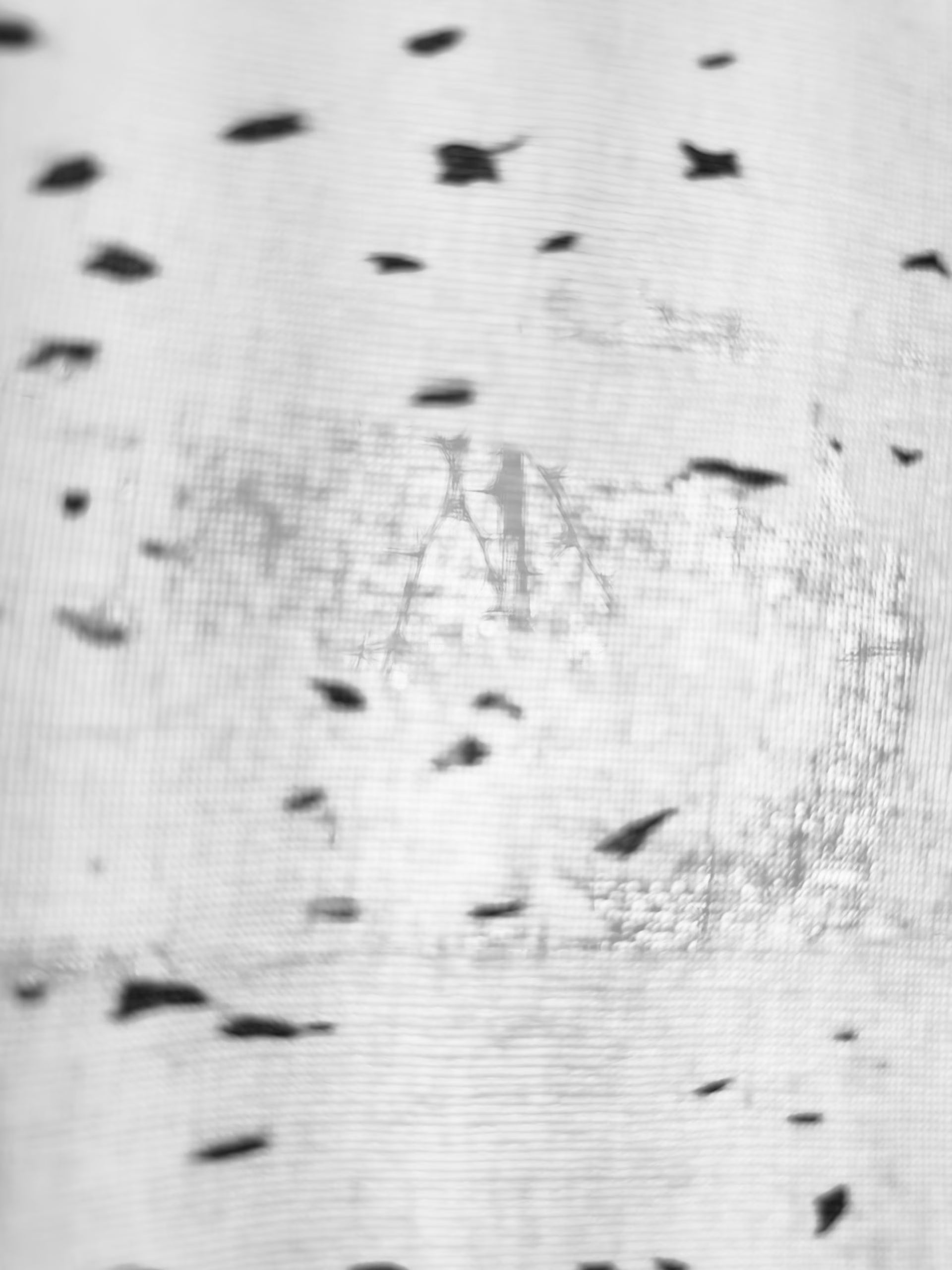
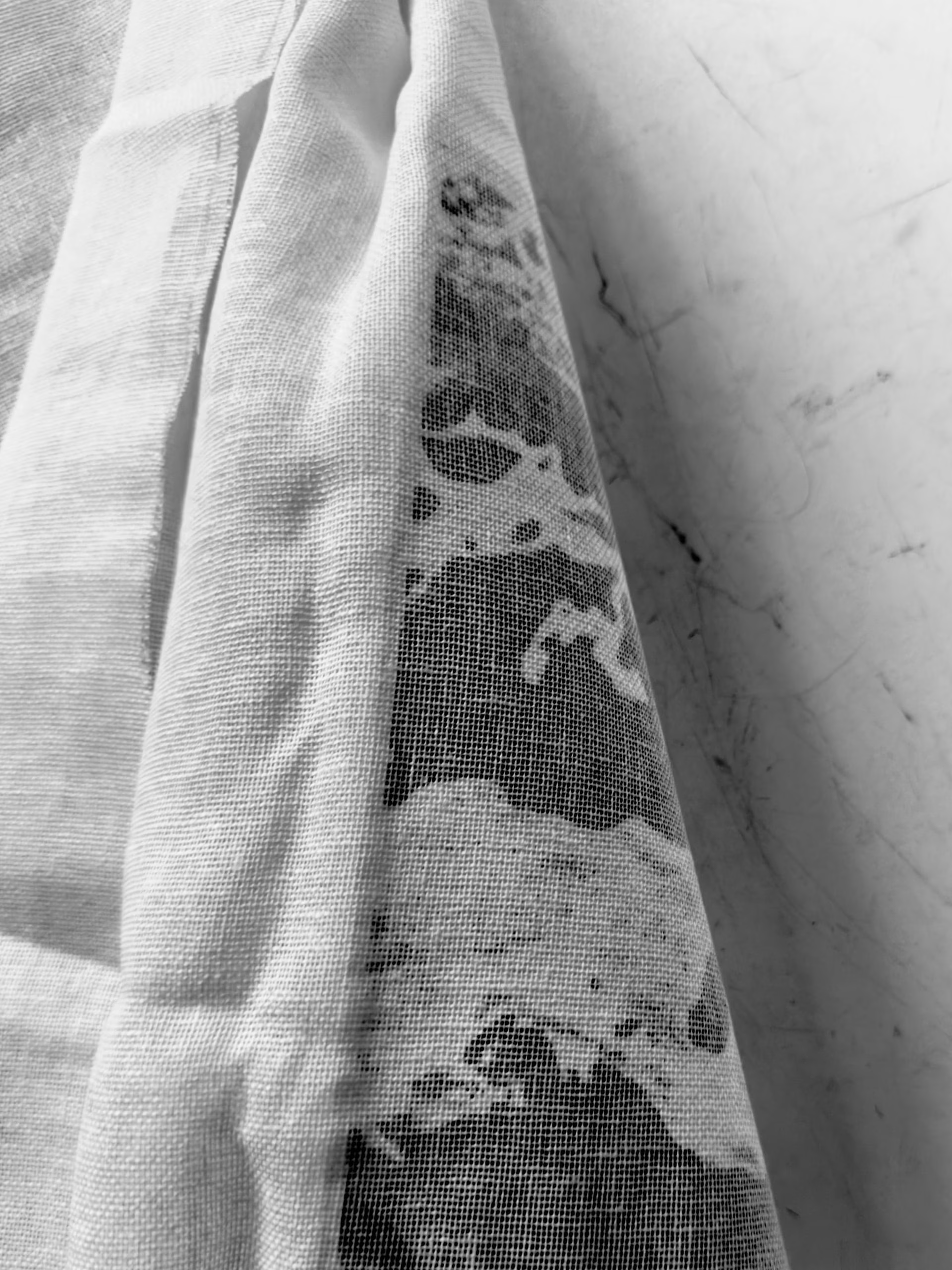
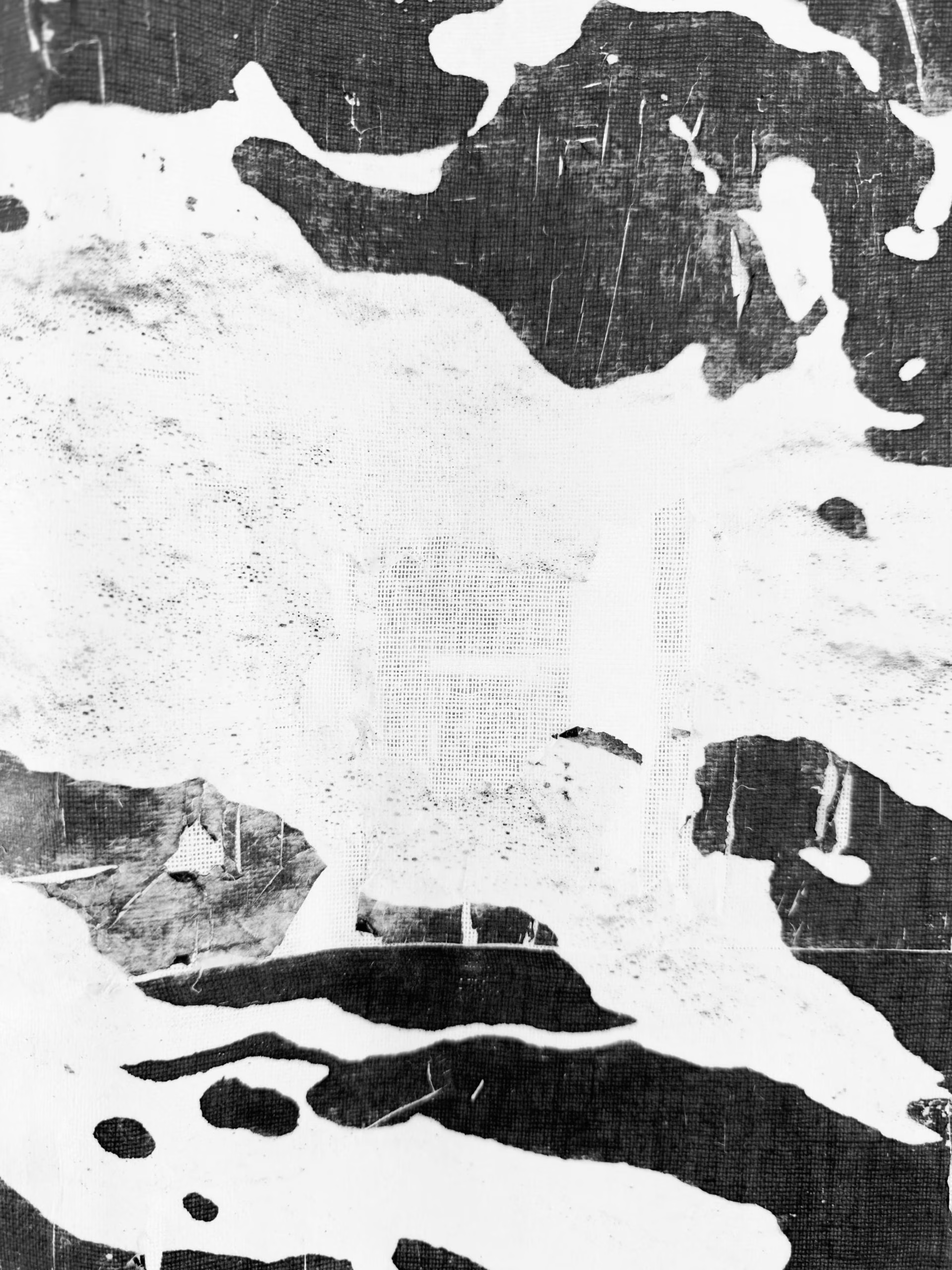
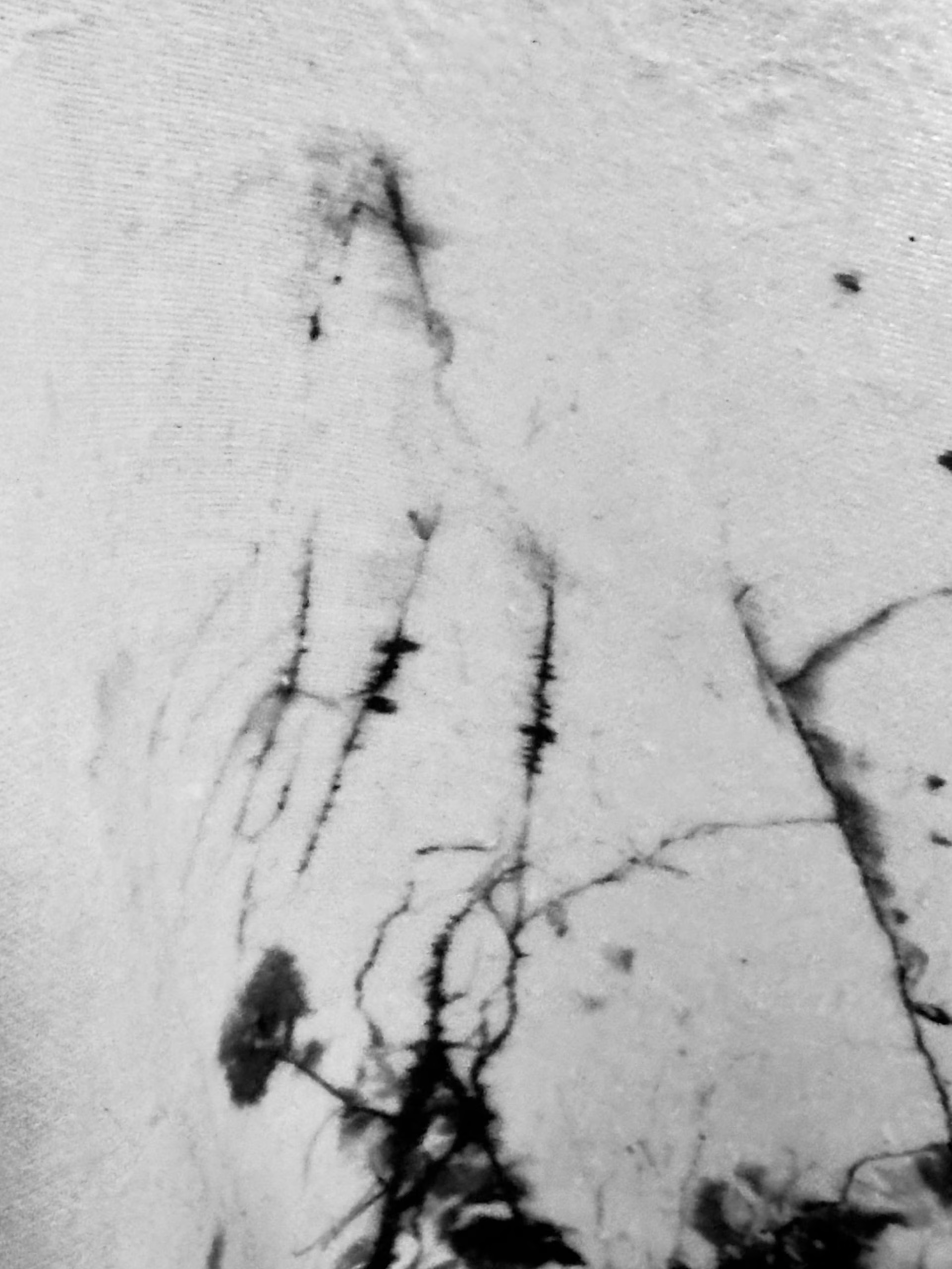
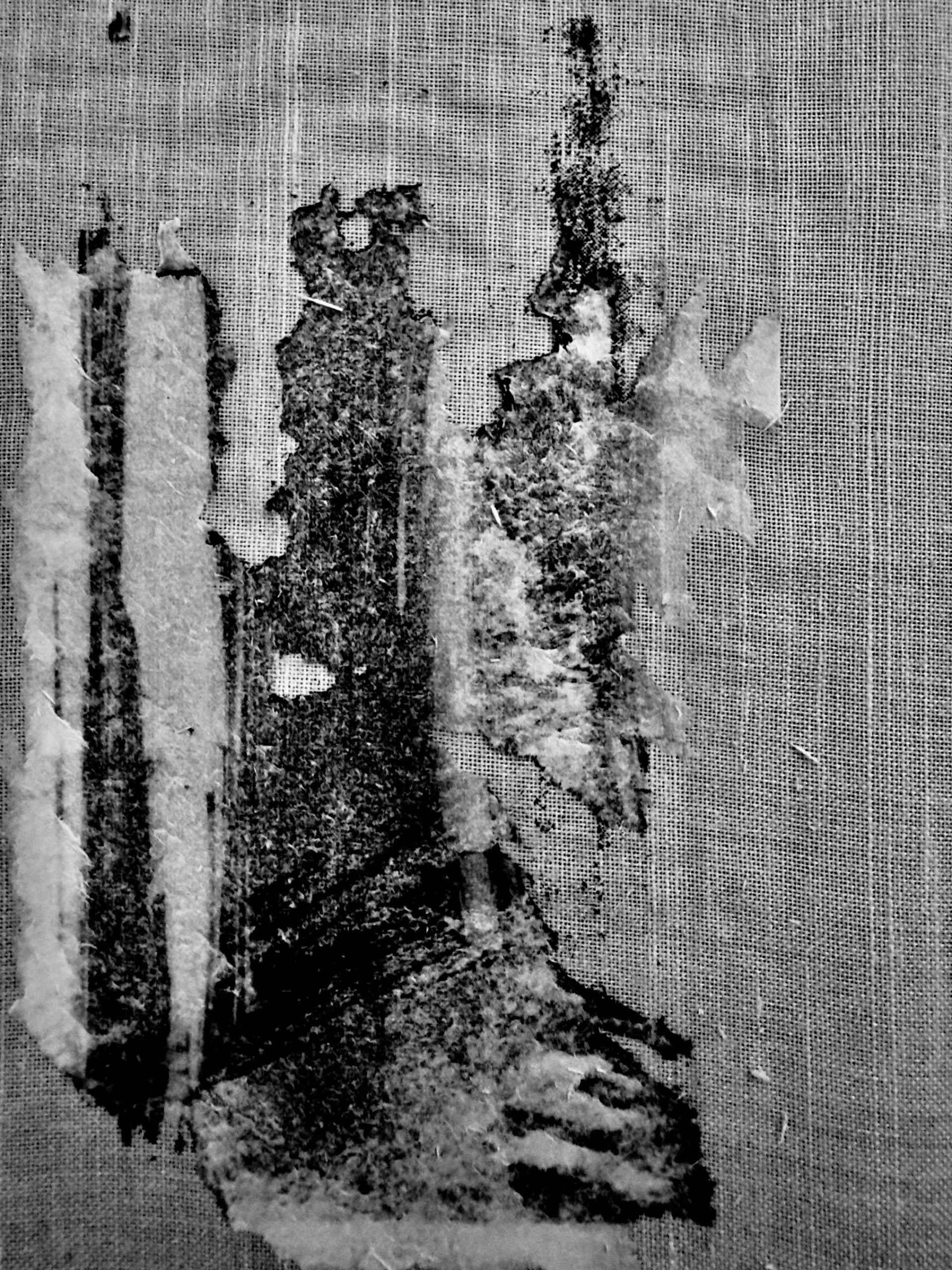
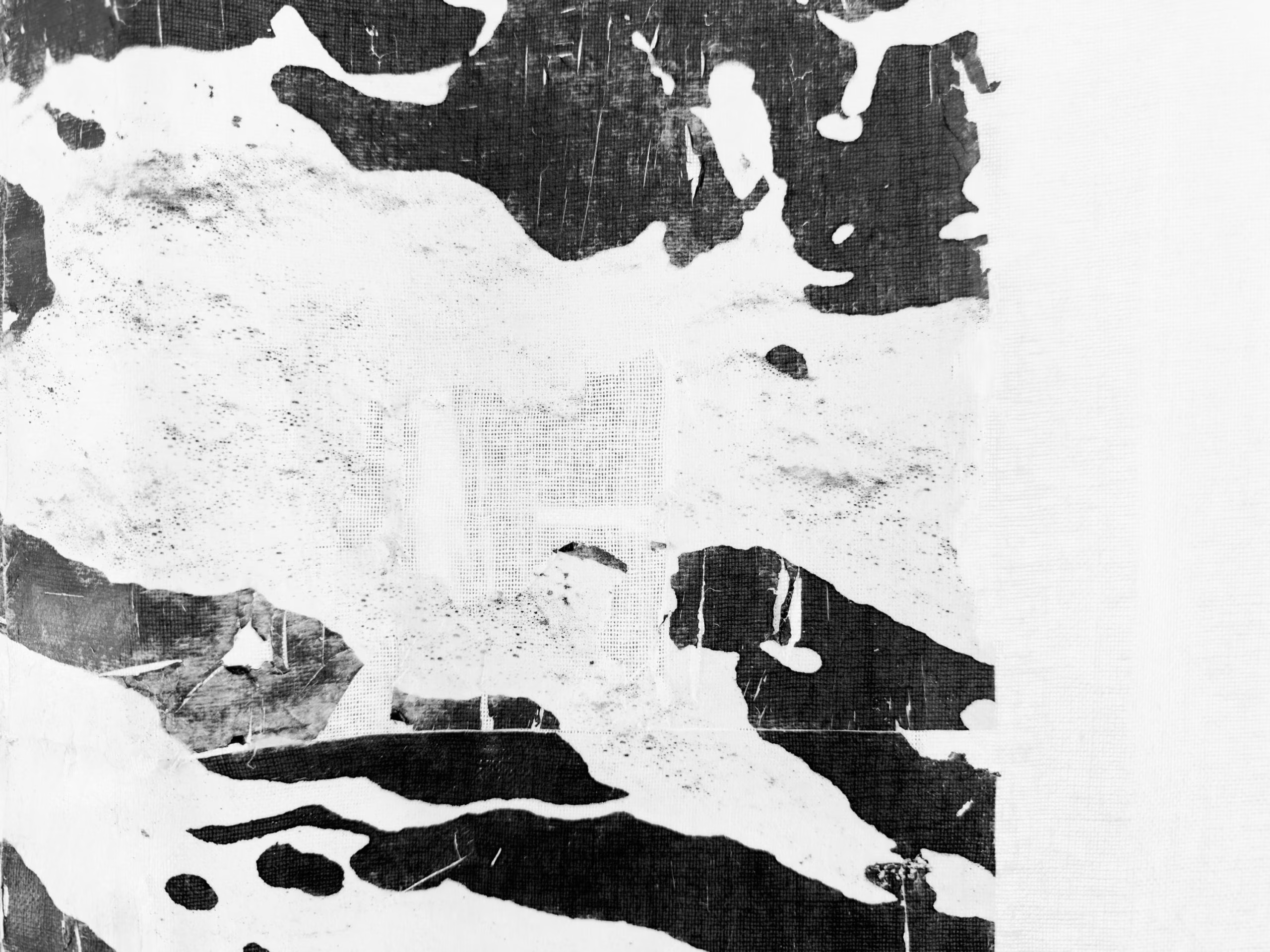
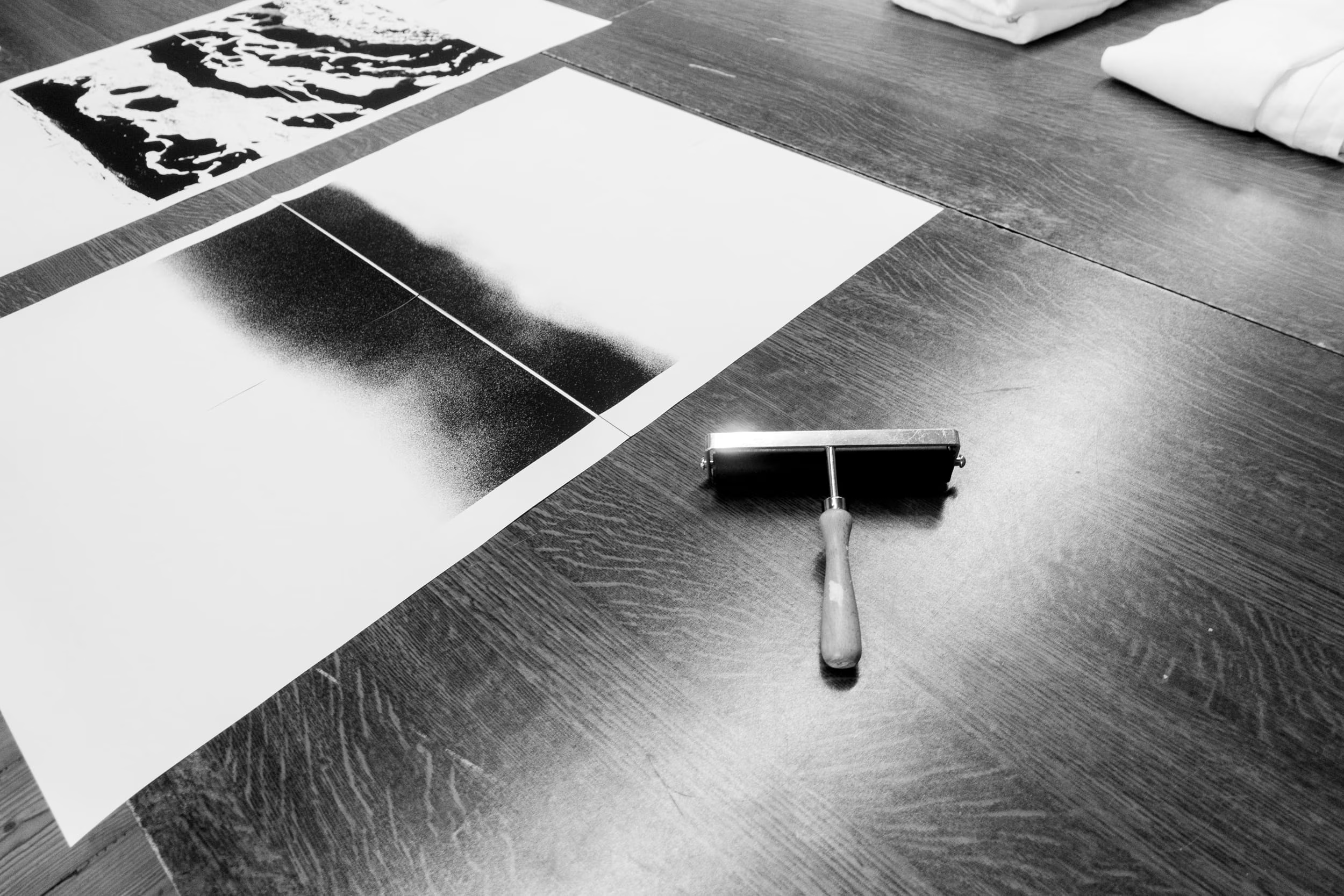
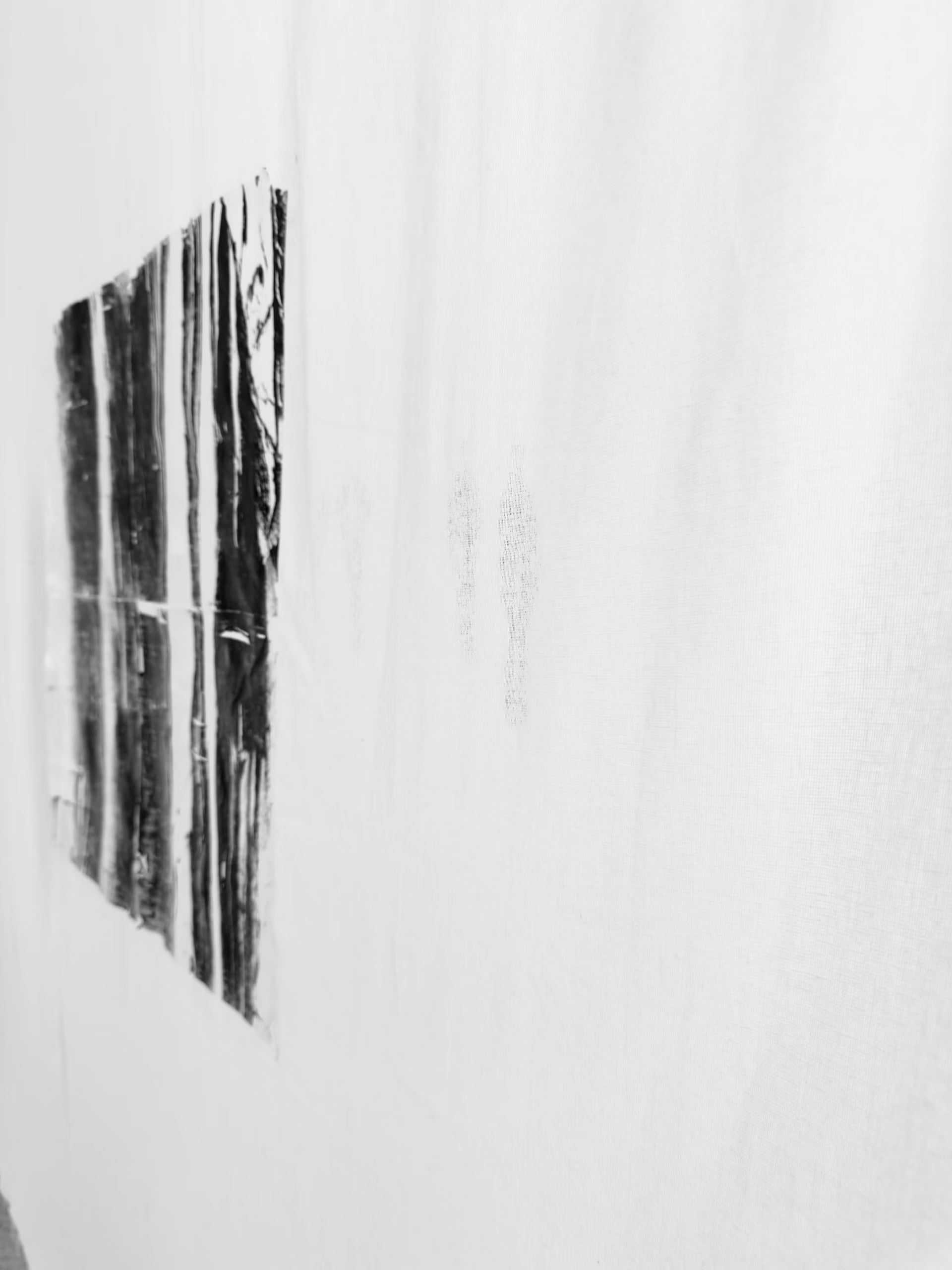
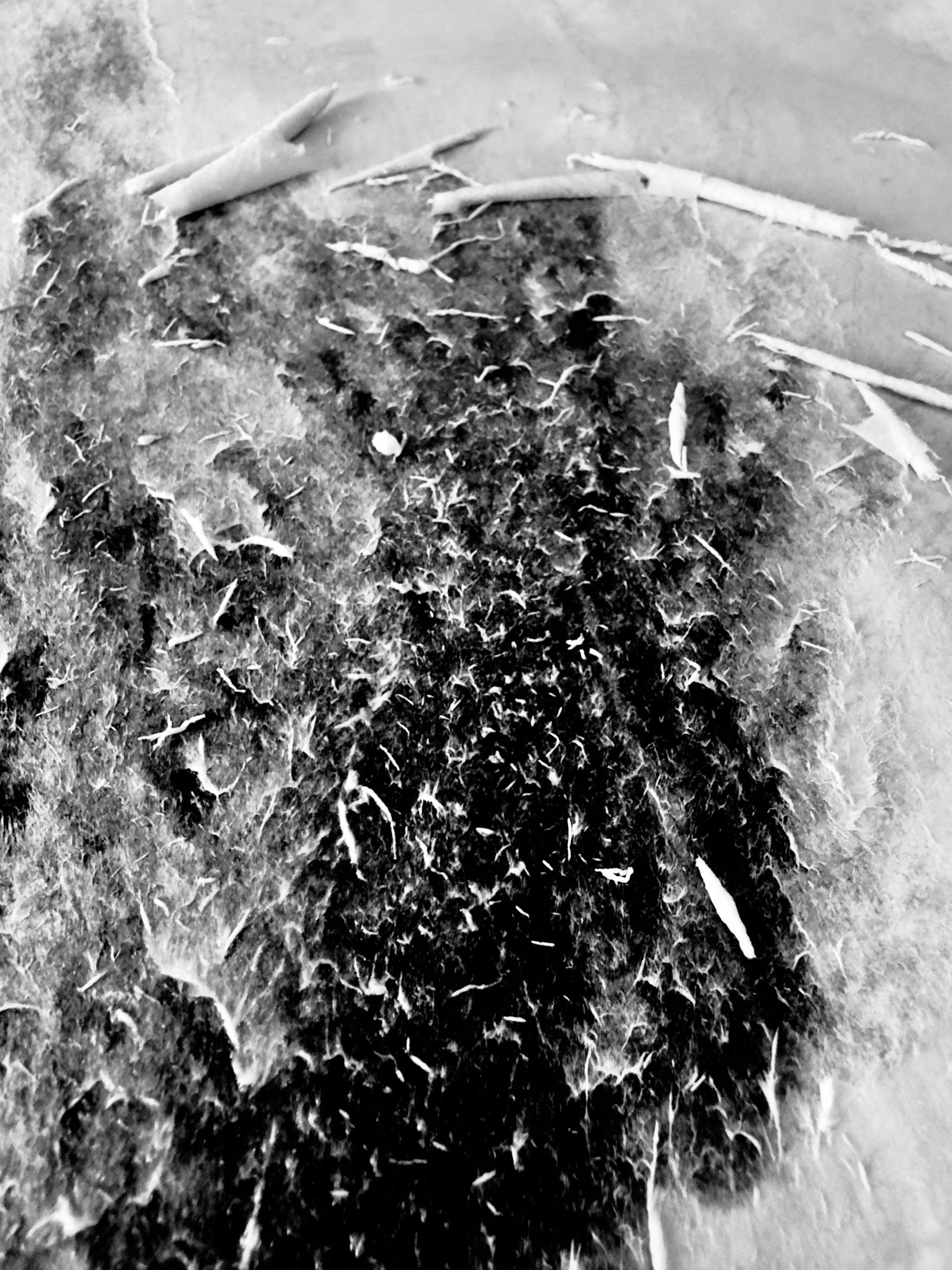
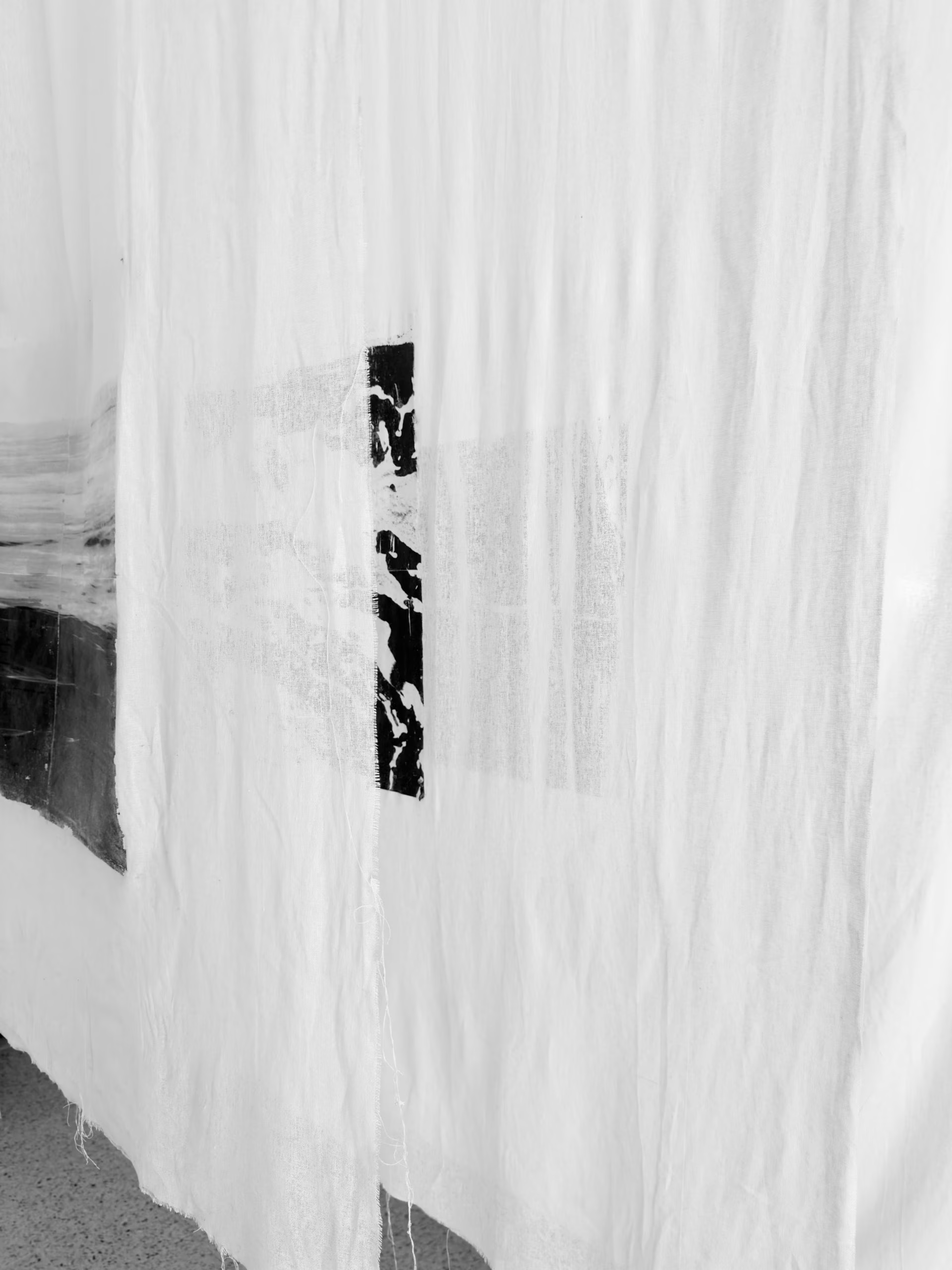
The image is transferred onto raw linen by hand — no machine, no press, only contact, time, and uneven pressure across the surface. The linen absorbs differently in every corner. Where the weave is dense the photograph holds; where it opens, the white of the fabric bleeds through and the cloth becomes visible beneath the image. Two layers readable at once — neither dominant, both present.
The edges are torn, not cut. The piece ends where the image fades into the raw linen — the boundary unresolved, the form unfinished in the way that all real things are unfinished. Holes, uneven tones, areas where the transfer exceeded or failed — these are the record of the process. Each work is unique as a consequence: the process cannot be repeated. What it leaves behind is what it is.
Placed at the centre of the linen panel, the photograph faces its counterpart across the corridor. Seven pairs in dialogue — not mirroring, not illustrating, but holding a tension across the space between them. The visitor who walks that space becomes, for a moment, the point where the two sides meet.
Raw linen, manual photographic transfer · 50 × 50 cm · 7 unique works · 2026
The decision to use the same material — raw linen for both Mahmoud's panels and the photographic transfers — was not decorative. It made the dialogue unavoidable: two artists working on the same ground, from opposite sides of the corridor, with opposite gestures. One pouring ink that spreads and settles; the other pressing an image into the weave until photograph and fabric become inseparable.
Neither work explains the other. The ink does not illustrate the photographs; the photographs do not narrate the textile. What they share is a refusal to close — both surfaces remain open, in process, readable as both the thing they are and the thing they were made from.
Iris Eysermans's plainchant adds a third register that is neither visual nor material — a voice that fills the corridor without being locatable within it, that belongs to neither wall, that moves through the linen on both sides equally.
The Armoury's corridor, its stone ceiling, the light at the far end — the architecture was not a neutral container. It shaped the work: the corridor demanded a passage, the stone demanded a voice, the light demanded an opening.
Mahmoud · Ink and gold leaf on linen
Maurizio Chiocchetti · Photographic transfer on linen
Iris Eysermans · Sound, plainchant